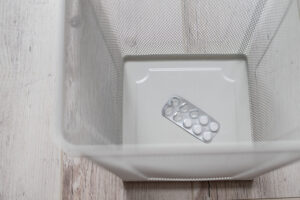

Are you aware of where your home medications should be kept? You are undoubtedly aware that you should keep them out of young children’s sight and reach. However, now consider if that’s what you’re truly doing.
This winter, in a research study, 2,000 parents nationwide learned more about their views, actions, and knowledge about the safe storage of medications. The results were unexpected. Nine out of ten parents concur that it’s crucial to keep all medications high and out of reach after each use, yet almost seven out of ten say they don’t.
Therefore, proper storage of all pain medications is essential. In this blog, we will discuss medication storage tips and keeping prescriptions safe at home.
Why Is It Important to Store Medicines?
Keep Your Medication Safe
It is important because improperly kept prescriptions may:
- be taken or stolen by someone who isn’t supposed to have the prescription.
- unintentionally poison kids or pets.
- cause harm by being kept in an inappropriate place.
What Does Misuse of Medicines Mean?
Medicine misuse includes taking:
- the medication of someone else.
- too much medication.
- medication in any manner other than as directed by a doctor.
When used improperly, medications can be dangerous. Individual differences exist in prescription medication doses, directions, and adverse effects.
What You Can Do?
- Store: Locking up medications so that others cannot get them is the safest method to store them. That is the most appropriate thing to do, which we will discuss later in this blog.
- Throw away: Do you no longer require medication? Do you have any expired medications at home?
- Refuse: You may occasionally be offered medication by friends or other people. Never take medication that wasn’t prescribed to you. You have no idea what it could contain or whence it originated. Overdosing or death may result from certain counterfeit medications. Additionally, taking actual pharmaceutical medications that a buddy has been given might be harmful to you.
Best Medication Storage Tips
Preventing Light and Moisture Exposure
Because bathrooms tend to retain more moisture than other parts of a home, it is best practice to keep medications away from bathrooms whenever possible, even if there isn’t excessive condensation on surface areas like windowsills or counters. This is because humidity levels can significantly reduce the effectiveness (or even render useless) of certain types of medicines.
Furthermore, as UV rays have been shown to damage active substances in many medicinal medicines, exposure to direct sunlight should always be avoided. Furthermore, keep everything away from a heater vent since abrupt temperature changes might harm delicate items like eye drops.
Get Rid of Used or Expired Medications
It is crucial to properly dispose of any unwanted pills rather than simply throwing them away because once a medication expires, its effectiveness usually decreases significantly. This is especially important if the pills contain private information like patient names or contact numbers, as well-meaning citizens may use those details without authorization.
If your doctor advises you to stop taking medication, get rid of it right away. Additionally, get rid of any outdated prescriptions. Don’t save them for later. If you take that medication by mistake, you may have adverse effects or a drug interaction.3
Think of a Pill Organizer
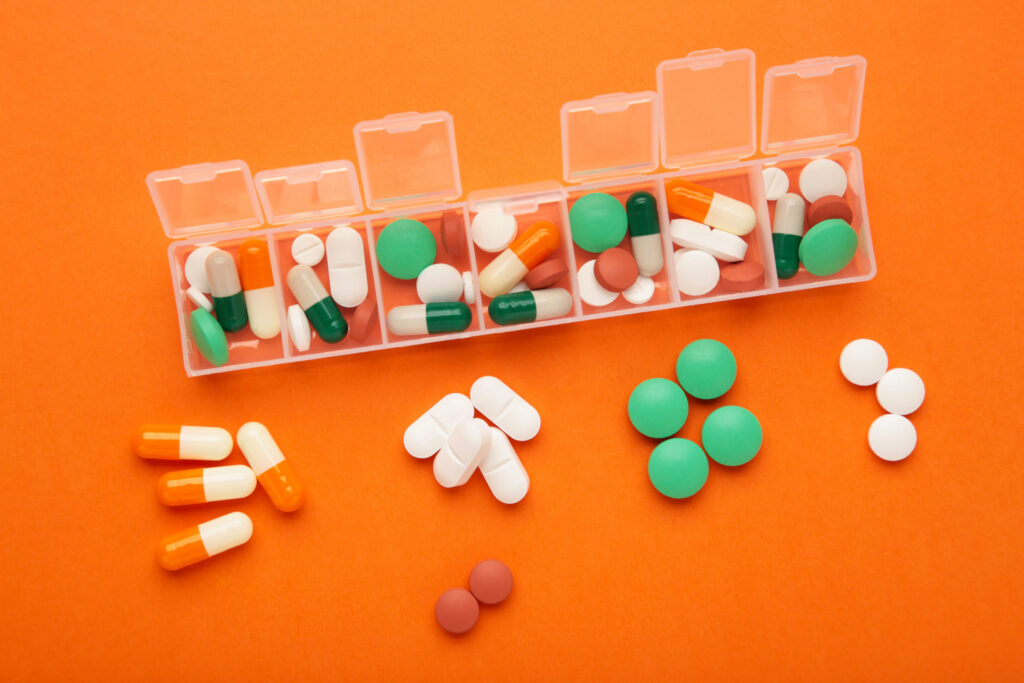
To ensure that you take the appropriate dosage at the appropriate time, use a weekly or daily pill organizer, especially if you take multiple medications. If you take medication many times a day, a pillbox with sections for each day of the week and for morning, noon, and night allows you to quickly check if you’ve taken your prescription.
Important details, including the medication name, dose, clinician’s name, and expiration date, are listed on the labels. The label also includes information about certain important adverse effects and storage instructions.
Review Your Medications
Every now and again, review your prescriptions. Every now and then, put everything you take, be it prescription drugs, over-the-counter medications, or supplements, into a bag and bring it to your yearly appointment so it can be reviewed. The body absorbs and metabolizes drugs differently as we age. The dosage of a medication you’ve been taking for a long time may be altered by your doctor.
Keep Medicines Away From Children
All medications should always be kept up somewhere and out of reach. Medication should be kept out of children’s reach (at or above counter height) and out of sight in a high cabinet or drawer for safety.
When not in use, keep all drugs locked up and concealed, ideally high where curious hands cannot reach them. Whenever feasible, store pills behind closed doors and out of sight.
Additionally, unless essential, you should avoid taking drugs in public places like parks or playgrounds since other kids may try to grab items that aren’t theirs if given the chance!
Use Child-Resistant Packaging
Keep medications in their original, kid-safe container. If you or a family member decides to use a pill organizer or baggie to aid in managing taking medication, be careful to keep it out of sight and reach at all times. As soon as your first kid is born, start storing medications safely. Babies as young as three weeks old have been admitted to the emergency room after coming into contact with medication that was placed within reach.
Dangers of Inappropriate Medication Storage
- Medication that is improperly kept may eventually lose its effectiveness as a result of exposure to moisture or incorrect temperatures.
- In certain situations, improper storage of medications might even make them hazardous, such as when a youngster consumes them as a result of insufficient security measures that fail to prevent unwanted access.
- Keeping pharmaceuticals in moist environments might foster the growth of dangerous germs that could endanger your family members by producing allergic reactions or worse if they are used without a prescription.
- To prevent medications from deteriorating more quickly than planned, it’s also crucial to keep them away from heat and light sources. Lexington pharmacies ought to recommend this more frequently.
Advantages of Safe Medication Storage
The main advantage of safe medication storage is the assurance that your loved ones are shielded from potentially harmful risks associated with improper storage practices. It includes unintentional ingestion by kids and deliberate abuse by teens or adults for recreational purposes or polydrug use with alcohol or illicit substances.
Additionally, when medications are stored correctly, their efficacy is maintained throughout time, ensuring that they won’t lose any of their strength before being used again. Lastly, keeping medications in a secure location adds an extra degree of protection if your house is broken into. Robbers are less inclined to take something that they know has to be kept dry and cold at all times!