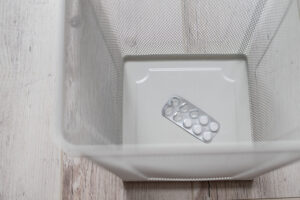

Your dog just came home from the vet with a bottle of pills. Your cat needs antibiotics twice a day. Sound familiar? If you’re a pet owner in Howell, NJ, you know that keeping your furry family members healthy sometimes means navigating the world of pet medications.
But giving medicine to pets is not the same as taking your own medicine. Dogs do not understand why you are giving them a pill. Cats can even smell the medicine from far away. A small mistake with the dose or storage can make a safe treatment dangerous.
Studies show that 40% of pet parents struggle to give medications correctly. It doesn’t matter what type of medication it is. Knowing how to handle these drugs properly protects both your pets and your family.
Common Medications and Why Proper Dosing Matters
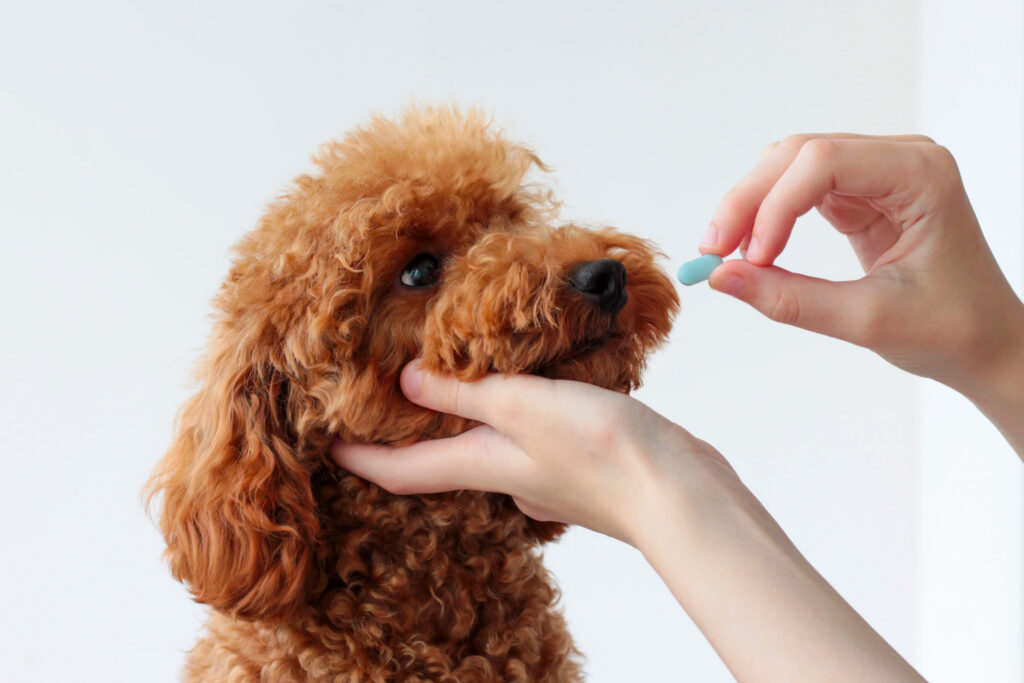
Keep Your Pet Medication Away from Children & Pets!
Each medicine is used for a specific problem and has its own instructions for when and how to take it. Some need to be taken with food, while others must be given at certain times. Antibiotics only work if every dose is given on time. If doses are missed, the infection can come back. Pain medicine needs care. Even a small extra amount can harm the liver or stomach.
Your vet should explain what each medication does and what to watch for. If something isn’t clear, ask questions before you leave the clinic.
The Biggest Medication Mistakes Pet Owners Make
Using Dangerous Foods to Hide Pills
You’ve probably tried wrapping a pill in cheese or peanut butter. Most of us have. But not all foods are safe for this. Cheese and processed meats pack loads of sodium and fat. For dogs with heart disease or weight problems, these foods make existing conditions worse. Peanut butter carries a hidden risk too. Some brands contain xylitol, an artificial sweetener that’s extremely toxic to dogs. Even a small amount causes blood sugar to plummet and can trigger liver failure. High-fat foods can also set off pancreatitis, an intensely painful inflammation of the pancreas. Dogs on strict diets can’t handle the extra fat without serious consequences.
Crushing or Breaking Pills Without Asking First
When your pet refuses a whole pill, crushing it into powder seems logical. Sometimes that works fine. Other times, it ruins the medication entirely.
Certain pills have special coatings that protect the active ingredient until it reaches the right part of the digestive system. Crush those pills, and the coating breaks. Timed-release medications are designed to work slowly over several hours. Breaking them causes the entire dose to release at once, which causes an overdose. So before crushing anything, call your vet. Or simply ask a compounding pharmacist if there is a safer option.
Getting Timing and Dosage Wrong
Medications work best when given on a consistent schedule. Some medicines must be taken with food to prevent stomach upset. Others work better on an empty stomach because food blocks absorption.
It’s easy to forget when life gets busy. You might give a morning dose, leave for work, and later not remember whether the second pill had already been given. Giving a dose twice by mistake happens more often than people think.
Why Can Dogs Detect Hidden Pills So Easily?
Dogs have around 300 million scent receptors in their noses. Humans have about 6 million. That means your dog can smell the bitter medication tucked inside their favorite treat.
Even if you hide a pill in roast beef, your dog can still smell that something is definitely off. Dogs also taste bitter things much more strongly than humans. If they have a bad experience once, they may start to avoid treats and become harder to trick with food later.
This isn’t your dog being stubborn. It’s biology. The trick is finding a delivery method that completely masks both the smell and taste of medication.
How to Read Medication Labels Correctly?
Now this is important. Medication labels contain critical information, but they are often packed with tiny print and medical jargon.
Active ingredients are the parts of the medicine that do the real work of treating your pet. Inactive ingredients are extra things like fillers and flavoring. Some pets may not react well to these extras, especially artificial colors or preservatives.
How you store medicine is also very important. Some need to be kept in the fridge or they stop working properly. Expiration dates are important too, of course. Old medicine can break down and may not work the same, and it could even cause unwanted side effects.
Pay attention to whether the medicine should be given with food or on an empty stomach. If anything on the label confuses you, call your vet or pharmacist before giving the first dose.
The Role of Compounding Pharmacies
Sometimes traditional medications don’t work well for certain pets. Maybe your cat refuses to swallow pills no matter how you try to disguise them. Or your small dog needs a much lower dose than what is commercially available.
Compounding pharmacies create customized medications tailored to your pet’s specific needs. A compounding pharmacist works with your veterinarian to adjust dosages, change forms, or add flavors.
They can turn pills into liquids, creams, or chewable treats. They can remove ingredients your pet is allergic to or add flavors like chicken or fish that make medication more appealing. For cats with thyroid problems who hate oral medications, compounding pharmacists can even make transdermal gels that absorb through the skin when applied to the ear.
You should always go to a trusted compounding pharmacy like Soma Pharmacy in Howell, NJ, for a worry-free experience.
Conclusion
Pet Medication Safety mostly comes down to being careful and paying attention. Always understand what the medicine is for, watch for any side effects, store it the right way, and keep it away from pets and children. If things feel confusing, help is always available. Your vet, pharmacists, and compounding pharmacies like Soma Pharmacy can guide you at every step.
Your pet’s health is important. Being careful with their medicine is one simple way to show them the same care and love they show you every day.
FAQ
Can I give my dog my own pain medication if we’re both prescribed the same drug?
No, you cannot give your dog your own pain medication, even if you are both prescribed the same drug, as the medicines made for dogs and humans have different ingredients. Dogs also break down drugs differently, so a safe human dose can be too much for them.
What should I do if I miss giving my pet a dose?
If you missed giving your pet a dose. Give the missed dose as soon as you remember, unless it’s almost time for the next scheduled dose. Never double up doses to make up for a missed one.
Are pill pockets from the pet store safe for all dogs?
Pill pockets from the pet store are safe for most dogs since they’re made just for them. But if your dog has allergies or a sensitive stomach, some ingredients might not sit well. When in doubt, check the label or ask your vet first.