

The cold season shows up every year; it is not something new. One person in the house starts sneezing and within days, everyone seems sick. We have all been there. Many people stand in the pharmacy aisle and ask the same question. Do over-the-counter medications work like prescription medicine for colds?
These are meds, not candies, and the answer depends on the symptoms and the severity of the illness. Non-prescription treatments sometimes work very well for common cold symptoms. Prescription drugs sometimes help in more serious cases, but they are not always necessary.
Understanding How Cold Medicines Work
Let’s talk about the cause first, as most colds come from viruses. Antibiotics do not kill viruses, so doctors rarely prescribe them for a standard cold. This is a surprise for many people.
Over-the-counter products help with common cold symptoms like coughing, stuffy nose, fever and body aches. Prescription medicine is for more serious problems, like bad sinus infections or trouble breathing. For example, a father with a sore throat and runny nose may feel better after resting and taking cold medicine for a few days. Another person with a high fever or breathing problems may need to see a doctor for stronger treatment.
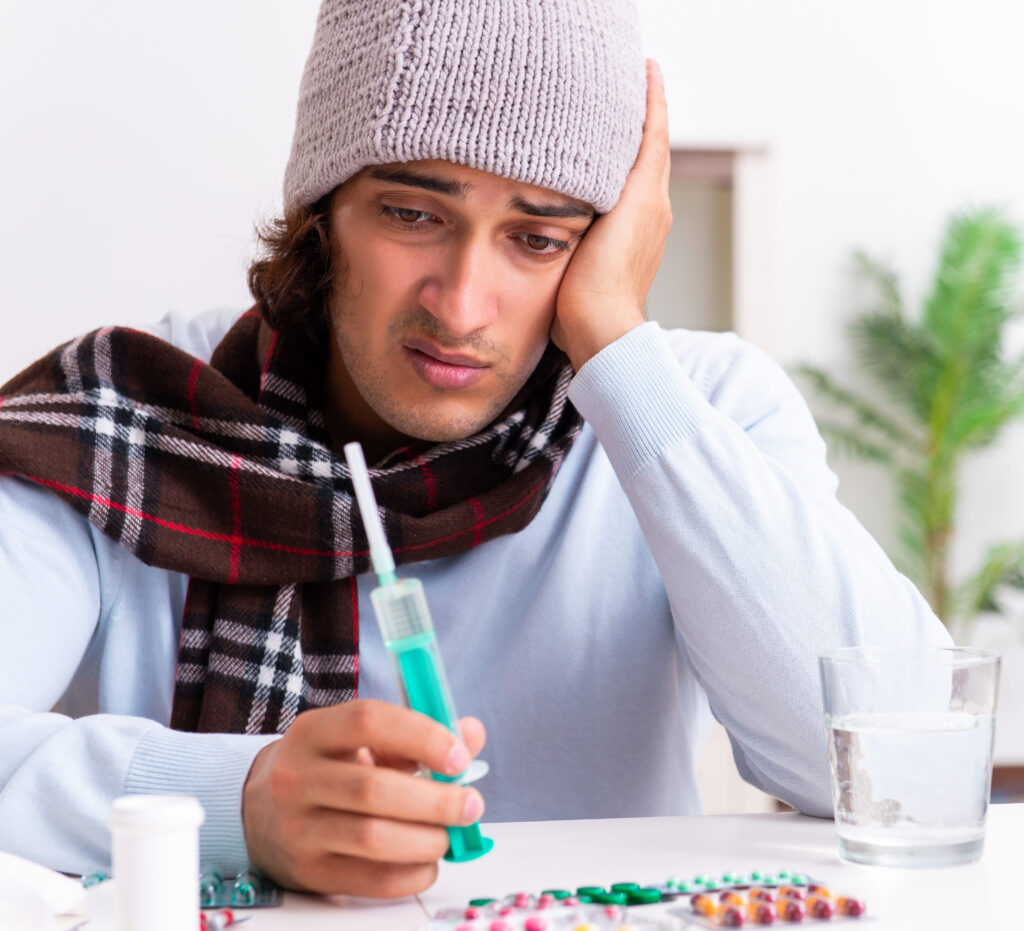
Do You Have a Cold?
What Are Over The Counter Medications And What They Usually Treat?
Over-the-counter (OTC) medications are common drugs available to buy without a prescription. But they are for common and minor health issues only. Many non-prescription medicines help people stay comfortable while the body fights the virus naturally.
Common OTC medications available at pharmacies are given below.
- Pain relievers for headaches and fever
- Decongestants for blocked noses
- Cough suppressants for dry coughs
- Antihistamines for sneezing and runny noses
- Throat lozenges for irritation
When Prescription Medicine Becomes Necessary?
Prescription medicine is absolutely necessary if symptoms become more severe or when another illness develops. Doctors may prescribe medication if someone has:
- A bacterial infection
- Pneumonia
- Severe sinus pressure
- Chronic lung conditions
- High-risk health problems
Prescription treatments may include inhalers, antiviral drugs or stronger cough medicine.
Do Prescription Drugs Work Faster?
People often believe prescription medicine works faster because it sounds stronger. That is not always true. A regular cold still needs time to run its course. Prescription medication may ease severe symptoms, but it does not magically remove the virus overnight.
Over-the-counter products provide similar symptom relief in many cases. The biggest difference usually comes from the person’s health condition and the seriousness of the illness. Proper hydration, rest and ample amount of sleep play a big part in recovery. A person who keeps working long hours while sick may recover more slowly, even with stronger medicine.
Risks Of Taking The Wrong Medication
Not every cold medicine works for every person. Some products can create side effects or interact with other medications.
Decongestants may raise blood pressure. Some nighttime cold products cause drowsiness. Mixing medications without checking ingredients may also lead to accidental overdoses.
You might take two different cold medicines at the same time, thinking they treat different symptoms. They both might contain the same pain-relieving ingredient. That is an overdose. You might start to feel dizzy and have stomach pain afterwards.
Reading labels carefully is a non-skippable step that many people don’t realize.
How To Choose The Right Cold Treatment?
Choosing the right option starts with understanding the symptoms.
Mild symptoms often improve with:
- Rest
- Fluids
- Over-the-counter products
- Time
Medical care becomes more important when symptoms include:
- Trouble breathing
- Chest pain
- Very high fever
- Symptoms lasting over ten days
- Severe weakness
Parents should also watch children closely because their health can worsen quickly during the cold season. Pharmacists often help people choose the safest product based on age and health conditions. They also keep in mind if the patient is on any current medications. This guidance prevents many common mistakes.
Many people self-diagnose during the cold season. Sometimes they guess correctly. Other times, they miss the mark by miles.
A pharmacist or doctor helps people avoid unnecessary medications and choose safer treatment plans. This becomes especially important for older adults, children and people with chronic conditions. So if you don’t have a medical degree, it is best to trust the experts.
Even something as simple as selecting the right cough medicine can make a big difference in comfort and recovery.
Final Thoughts
Over-the-counter medications and prescription treatments both have their own important roles during the cold season. Many common colds with simple symptoms improve only with some rest and light medicine. Prescription medicine becomes more useful when complications or severe symptoms appear.
Paying attention to some simple symptoms is all it takes. Reading labels carefully and speaking with healthcare professionals mostly leads to faster and safer recovery.
Always go to a trusted pharmacy for over-the-counter medications, such as Soma Pharmacy. We help customers find trusted guidance during the cold season. Our team provides support for over-the-counter products, prescription medications and everyday health concerns.
FAQs
Can over-the-counter medicine cure a cold?
No, cold medicines do not cure a cold as they only reduce symptoms while the body fights the virus naturally.
Are prescription medicines stronger than over-the-counter products?
Yes, some prescription medicines are stronger, but stronger does not always mean better for a regular cold. Many mild illnesses improve without prescriptions.
How long does a common cold usually last?
Most colds last between seven and ten days, though some coughs linger longer.
When should someone see a doctor during the cold season?
You should see a doctor if you have trouble breathing, chest pain, a high fever, or if cold symptoms last more than ten days or get worse. Young children, older adults and people with health problems should get checked sooner.
Can people take multiple cold medicines together?
People can take multiple cold medicines together, but only after checking the ingredients carefully. Some products contain the same active ingredients, which increases side effect risks.
Do antibiotics help with colds?
No, antibiotics do not help with colds as they treat bacterial infections, not viruses like the common cold.