

A woman came in asking about flu shots. She’d seen our sign outside that vaccines were in stock and wanted to get it done.
Her sister apparently told her it was too early, that she should wait until October. But she was worried that if she left without getting it, she’d forget and never come back.
I hear some version of this conversation probably fifty times every fall at Soma Pharmacy. Everyone’s confused about when to get their flu shot. You’ve got people lining up in August when the vaccines arrive.
Then you’ve got others who wait until Thanksgiving because they’re trying to time it perfectly. Neither group is necessarily doing it right, and the confusion makes sense because the guidance you hear from different sources is all over the place.
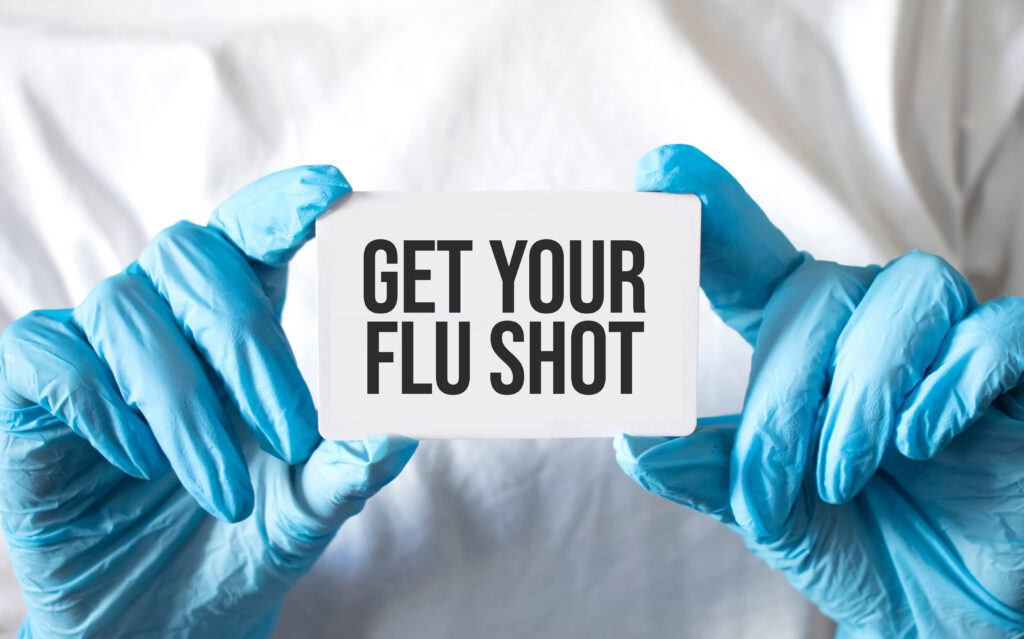
Howell NJ Residents Get Your Flu Shot
Flu Season Here Doesn’t Follow a Schedule
Flu season in Howell, NJ, and the rest of New Jersey usually kicks into gear in late fall. It peaks somewhere between December and February, but the month varies every year. One year, the worst of it hits right before Christmas. Another year, we don’t see the peak until the end of January. There’s no way to predict it.
The season generally runs from October through May. Most of the action takes place during those winter months. By March, things are usually calming down, though we still see flu cases even in summer sometimes. It doesn’t disappear completely; it’s just way less common once spring hits.
Understanding when flu typically circulates helps you figure out when protection matters most. You want to be well-protected during those peak months when everyone’s sick and flu is spreading through every school, office, and grocery store in town.
The Vaccine Doesn’t Last as Long as People Think
This is the part nobody tells you. Flu vaccine protection fades over time. You’re not equally protected six months after your shot compared to two weeks after.
Your immunity peaks around two weeks post-vaccination. Then it starts declining gradually over the next several months. Studies show effectiveness begins dropping somewhere around three to four months after vaccination. By six months out, protection has decreased pretty noticeably. This is especially true for older people.
So if you rush out and get vaccinated in early August, you’ve got great protection in September when basically nobody has flu yet. But come January, when it’s everywhere? Your immunity has already started dropping off. That’s not what you want.
If you wait until December, you’re completely unprotected through November and the first part of December when flu season is already happening. And you’re not fully protected until two weeks after the shot anyway, so you’re pushing into late December before you’ve actually got solid immunity. Also not great.
September and October Are Probably Your Best Bet
For most people around here, getting your flu shot sometime in September or October makes the most sense. You’re early enough that you’ve got protection when flu starts picking up in late fall. But you’re not so early that your immunity is already fading by the time flu peaks in January or February.
September is probably ideal for most people. You’re building protection right as flu season starts ramping up, and that protection carries you through the worst months without significant waning.
October works too. You’ll still have solid protection through peak season.
I wouldn’t recommend much earlier than September for most people unless there’s a specific reason. The immunity waning issue is real, especially for older adults whose immune systems don’t maintain protection as long.
Some People Need Different Timing
Pregnant women should get vaccinated whenever the vaccine is available. Period. Doesn’t matter if it’s August, October, or December. Flu is more dangerous when you’re pregnant, and the vaccine protects both you and your baby. If vaccines show up in August and you’re pregnant, get vaccinated then. Don’t worry about optimal timing.
Older adults – I’m talking 65 and up – might actually want to wait until late September or early October instead of jumping on it in August. Research suggests immunity wanes faster in older people, so timing the shot closer to peak season makes more sense. But honestly, getting it early still beats not getting it at all if you’re the type who’ll forget or won’t make it back.
Kids generally follow the September to October timeline. The exception is kids who need two doses because it’s their first time getting the flu vaccine – they should start in September so they can get both doses a month apart and be fully protected by November.
Healthcare workers or anyone with high exposure should probably get vaccinated as soon as it’s available, even if that’s August. Your risk is higher than the general population, so earlier protection makes sense even if it wanes a bit by late winter.
If You Miss September and October
Let’s say it’s January and you still haven’t gotten around to it. Should you even bother at this point?
Yes. Flu season runs through spring. Getting vaccinated in January still gives you protection for February, March, April, and May – months when flu is still circulating. You need two weeks to build full immunity, so a shot in early January protects you from mid-January onward.
I’ve had people tell me in February that they figured they missed the boat and they’ll just wait for next year. That’s wrong. Flu season isn’t over. You can absolutely still catch it, and late vaccination beats no vaccination.
The only time it doesn’t really make sense is late spring when flu activity has basically stopped for the season. Then you’re better off just waiting for next year’s vaccine.
Getting Vaccinated Here
We stock flu vaccine every year at Soma Pharmacy, which usually gets here in late August or early September. We can vaccinate anyone six months old and up. You don’t need an appointment most of the time, but calling ahead to make sure we’ve got vaccine in stock and someone available doesn’t hurt.
Getting your flu shot at your local pharmacy in Howell, NJ, is just more convenient. You’re already here picking up prescriptions or getting other stuff. We’re not some clinic across town with weird hours that don’t work with your schedule.
Most insurance covers flu shots at 100% – no copay, no cost. That includes Medicare Part B. We handle the insurance billing directly; you don’t have to deal with any of that. If you don’t have insurance, the cost out of pocket is still reasonable.
The Questions Everyone Asks
Can you get the flu from the shot? No. The vaccine is made from an inactivated virus. It can’t give you the flu. You might feel a little off for a day after getting it – that’s your immune system responding. It’s not the flu.
Do you actually need it every year? Yes. Flu strains change. The vaccine gets reformulated every year to match whatever strains are expected to circulate. Last year’s shot doesn’t protect you this year.
What if you never get the flu? Doesn’t matter; get vaccinated. The flu can be serious even for healthy people. And vaccination protects the people around you – your kids, your parents, whoever might be more vulnerable.
Can you still get the flu after vaccination? Sometimes. The vaccine isn’t 100% effective. But if you do get the flu after being vaccinated, it’s typically milder with fewer complications compared to getting the flu unvaccinated.
What I Actually Tell People
Don’t overthink it. Try to get in during September or October if you can manage it. If you miss that window, just come in whenever you think of it. Getting vaccinated late is way better than not getting vaccinated.
Flu sucks. It’s not a cold. It’s been completely miserable for a week or more, missing work, missing your kid’s stuff, and potentially ending up with complications that land you in the hospital. The shot isn’t perfect, but it significantly reduces your chances of getting the flu. And if you do get it after being vaccinated, it’s usually much less severe.
Come by whenever it fits your schedule between now and winter. Takes maybe ten minutes, including the waiting period after the shot. That’s a pretty small time investment for protection against something that could knock you flat for a week.
The woman I mentioned at the start? I told her late August was probably a bit early, but if she genuinely thought she’d forget and never come back, getting it then was better than nothing. She ended up deciding to wait until mid-September and set a phone reminder. That’s probably the ideal approach – aim for September, but don’t let trying to time it perfectly stop you from getting vaccinated at all.
Look, I’ve worked in pharmacy here in Howell, NJ, long enough to see what happens every flu season. The people who get vaccinated do better than the people who don’t. The timing isn’t as critical as people make it out to be. What’s critical is actually getting the shot at some point between late summer and early winter. Stop worrying about whether it’s the perfect week and just get it done.